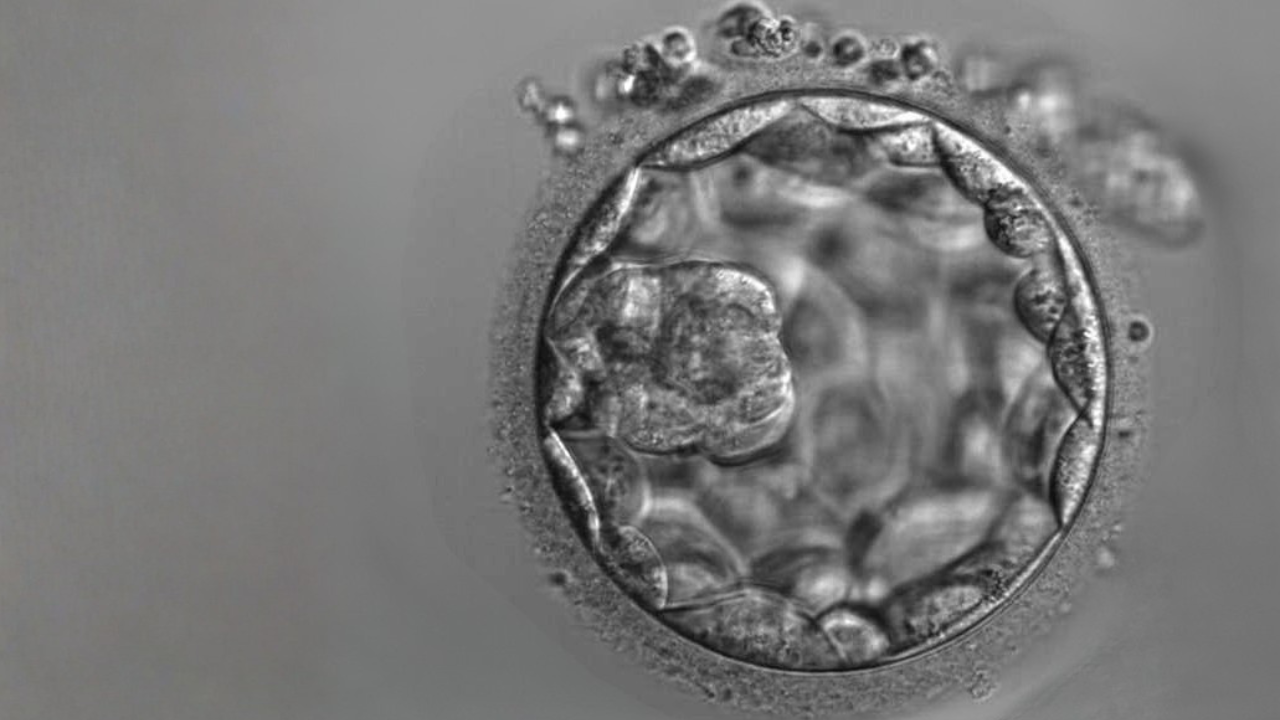

A new IVF method for selecting sperm can assist in improving embryo quality, lowering the rates of early miscarriage and ultimately increasing pregnancy success, according to an Australian study.
City Fertility embryologist Elena Andaloro and co-author Susan Baohm announced the study at the annual conference of the European Society of Human Reproduction and Embryology (ESHRE) in Lisbon, Portugal, last week.
They said the study compared embryo success using traditional artificial liquid for sperm selection with polyvinylpyrrolidone (PVP), a new natural liquid, hyaluronan (HA), or SpermSlow™.
“SpermSlow™ slows down the movement of the sperm in the petri dish to allow the embryologist to select the most mature, viable sperm with the best DNA integrity for the common IVF method, Intracytoplasmic Sperm Injection (ICSI),” Ms Andaloro said.
“In simple terms, during natural conception, only fully developed and mature sperm that reach the egg will bind and initiate fertilisation.
“In conventional IVF sperm selection for the ICSI method, where the sperm is injected into the egg, the sperm has been placed in the PVP liquid, which has resulted in sperm being selected regardless of maturity or DNA integrity. However, with SpermSlow™, immature sperm are separated, allowing for only mature and more successful sperm to be selected and used.”
Ms Andaloro said immature sperm had been found to have a higher chance of DNA damage and of carrying an abnormal number of chromosomes.
Australian scientists from City Fertility at the ESHRE 2015 conference presented their findings from the study, which confirmed that changing the liquid sperm are placed in before selection can increase the likelihood that superior examples are used.
The study compared the success of more than 2600 female eggs (oocytes) injected with sperm selected using the traditional PVP liquid with 3000 female eggs injected with sperm selected using the new SpermSlow™.
The study reported a clinical pregnancy rate of 30.2 per cent with SpermSlow™, compared with 20.2 per cent with PVP.
“Statistically, this means a 50 per cent greater chance of pregnancy success for patients who use SpermSlow™ for the IVF ICSI method,” Ms Andaloro said.
City Fertility chief executive officer and scientific director Adnan Catakovic said the study results were encouraging.
“This new technique has the potential to help patients struggling with infertility issues to achieve a pregnancy faster, which is what we are constantly striving for,” Mr Catakovic said.
City Fertility is utilising SpermSlow™ for clinically relevant patients at no additional cost.