Endometriosis: Questions Answered

Endometriosis: Questions Answered

By Dr Kaushalya Arulpragasam, fertility specialist at City Fertility Centre Sydney CBD

What is endometriosis?

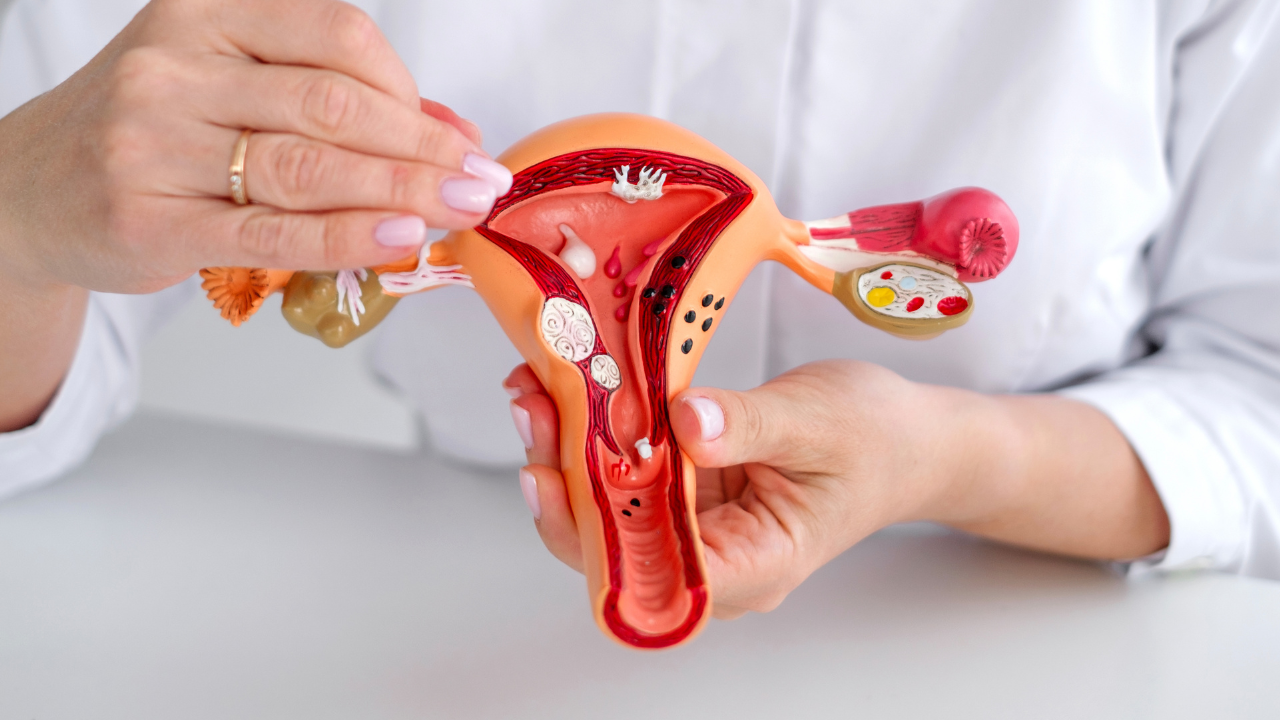
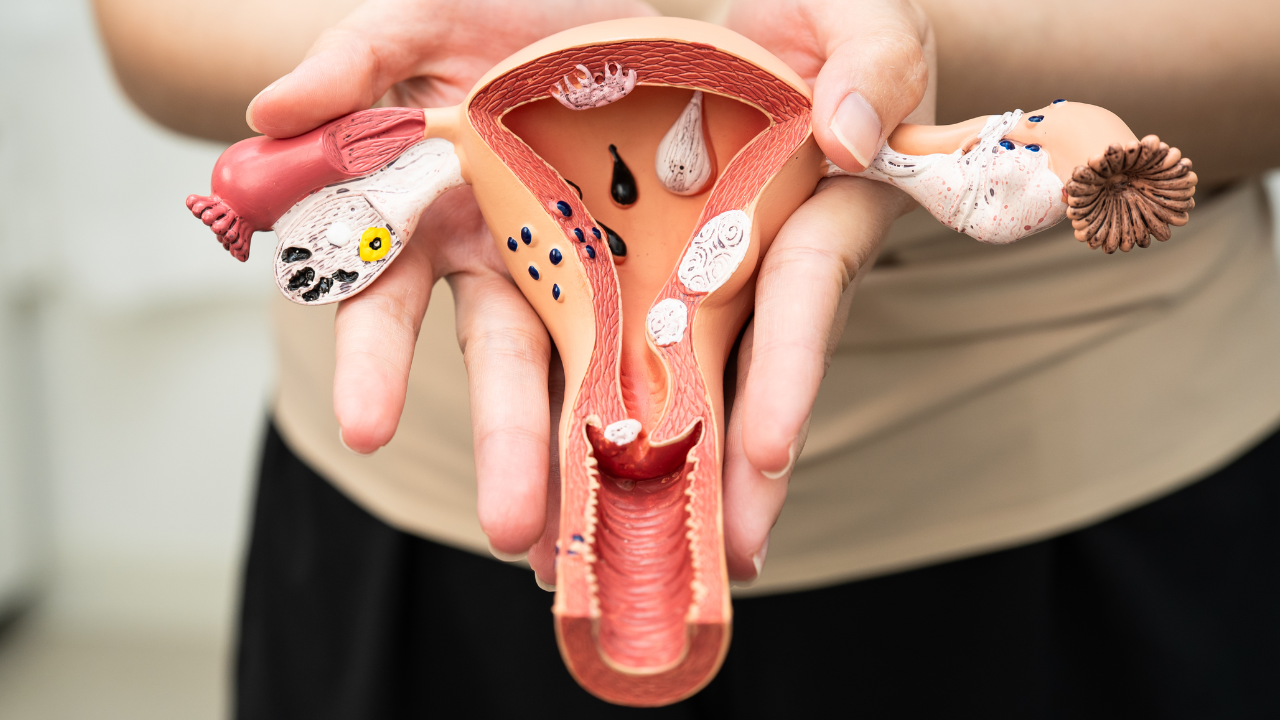
Endometriosis is a chronic, inflammatory condition where tissue similar to the lining of the uterus grows outside the uterus, most commonly within the pelvis. It affects around 10% of people assigned female at birth and is often undiagnosed. These growths, known as implants, are largely oestrogen-dependent and respond to hormonal changes during the menstrual cycle. Each month, they can thicken, break down and bleed, just like the uterine lining. However, because this endometriosis tissue is located outside the uterus, it has no way to exit the body. This leads to irritation of surrounding tissue, inflammation, scar tissue formation, pain and, in some cases, infertility.

Symptoms: How to know if you have endometriosis?

Endometriosis symptoms vary widely between individuals and can change over time. Some people have no symptoms at all, while others experience severe, life-altering pain. Importantly, the severity of symptoms, particularly pain, does not necessarily reflect the stage or extent of the disease.

Common symptoms (reported in 25–70% of cases) include:

  • Severe painful periods
  • Pain with sex (during or after intercourse)
  • Infertility
  • Ongoing pelvic pain
  • Heavy menstrual bleeding

Less common symptoms (reported in 10–25% of cases) include:

  • Bowel symptoms such as constipation, diarrhoea or pain with bowel movements
  • Severe tiredness
  • Lower back pain
  • Sleep difficulties
  • Headaches
  • Urinary symptoms

If these symptoms are persistent or worsening, it may indicate endometriosis, and it’s important to seek medical advice for assessment and support.

What causes endometriosis?

It’s not yet known exactly how and why some women develop endometriosis. However, there are several possible explanations.

Postulated theories include:
Retrograde Menstruation: Menstrual tissue flows backward through the fallopian tubes into the pelvis. These cells then implant on pelvic organs, grow, and cause lesions.
Genetic Factors: Endometriosis tends to run in families, with studies suggesting genetic factors account for approximately 50% of the risk.
Immune System Dysfunction: A weak or malfunctioning immune system may fail to identify and destroy misplaced endometrial tissue.
Coelomic Metaplasia: Cells outside the uterus (peritoneal cells) transform into endometrial-like cells, possibly triggered by hormones or immune factors.
Embryonic Cell Spread: Estrogen may transform embryonic cells into endometrial implants during puberty.
Lymphatic or Vascular System: Endometrial tissue may travel to other parts of the body through blood vessels or the lymphatic system.

Is endometriosis hereditary?

Endometriosis can run in families, but there isn’t a single gene that causes it. Instead, a combination of genetic factors can increase a woman’s risk. Women with a mother or sister who has endometriosis are more likely to develop the condition themselves. Familial cases also tend to have more severe symptoms that appear earlier in life.

How is endometriosis diagnosed?

It can take several years to get a diagnosis of endometriosis. This is because symptoms vary between women, can change over time and may overlap with other health conditions. Also, period pain is often considered normal, which can delay diagnosis.

Assessment of endometriosis involves evaluating symptoms like painful periods, pain with sex, or pain with bowel movements and screening for other possible causes of the symptoms. It’s important to note that a normal clinical examination does not rule out the diagnosis of endometriosis.

Imaging tests:

Ultrasound is a good first-line tool to investigate endometriosis. It has a 90% sensitivity rate in detecting deep endometriosis but lower sensitivity in detecting superficial endometriosis. Therefore, a negative finding on ultrasound does not exclude superficial peritoneal disease.

MRI may be used for more complex endometriosis or to help plan surgery.

Laparoscopy: a laparoscopy (keyhole surgery) is deemed the gold standard for diagnosis of endometriosis as it allows doctors to directly see and, in many cases, treat endometriosis at the same time.

What treatments are available for endometriosis?

Management of endometriosis-related infertility should have a multidisciplinary team involvement with input from a fertility specialist and access to fertility services. I recommend the following to patients:

  • In patients with superficial peritoneal endometriosis, offering excision or ablation to patients with infertility may improve the chance of viable intrauterine pregnancy.
  • In people with deep endometriosis (including endometriosis that involves the bowel, bladder, or ureter), who are trying to conceive, there should be a clear discussion about the benefits and risks of laparoscopic surgery as a treatment option, as there is no evidence of improvement in fertility outcomes.
  • It is not recommended to offer hormonal treatment alone or in combination with surgery to people with endometriosis who are trying to conceive, because it does not improve unassisted pregnancy rates.

However, for patients who do not wish to conceive immediately after surgery, hormonal treatment is recommended as it can reduce pain and recurrence without affecting future fertility.

How does endometriosis affect fertility?

Although some women with endometriosis can conceive naturally, about 1 in 3 women with endometriosis have difficulty falling pregnant.

This can be due to the following:

  • Mechanical Blockages
  • Inflammation
  • Endometriosis Involving Ovaries
  • Implantation Problems
  • Hormonal & Immune Changes

For more information, please read our blog on Endometriosis and Fertility by Dr Andrew Zuschmann.

When should you see a doctor about endometriosis?

If pain is affecting your daily life, it’s important to seek medical advice early. Early consultation can shorten diagnostic delays, help manage symptoms, prevent long-term tissue damage, address fertility concerns, provide psychological support, and improve overall quality of life.

While some women with endometriosis fall pregnant easily, unfortunately, many do not.

Endometriosis is found to be present in approximately 50% of cases who have been unable to conceive after trying for 12 months. If you have questions about endometriosis and are trying to conceive, please book an appointment with Dr Kaushi or any of the City Fertility specialists click here or call 1300 354 354.

Female Infertility Fertility and Health Fertility Services Lifestyle Newsfeed
Enquiries

    I have read and agree to the terms of City Fertility's Privacy Collection Statement and Privacy Policy.

    Partners

    Research

    City Fertility network