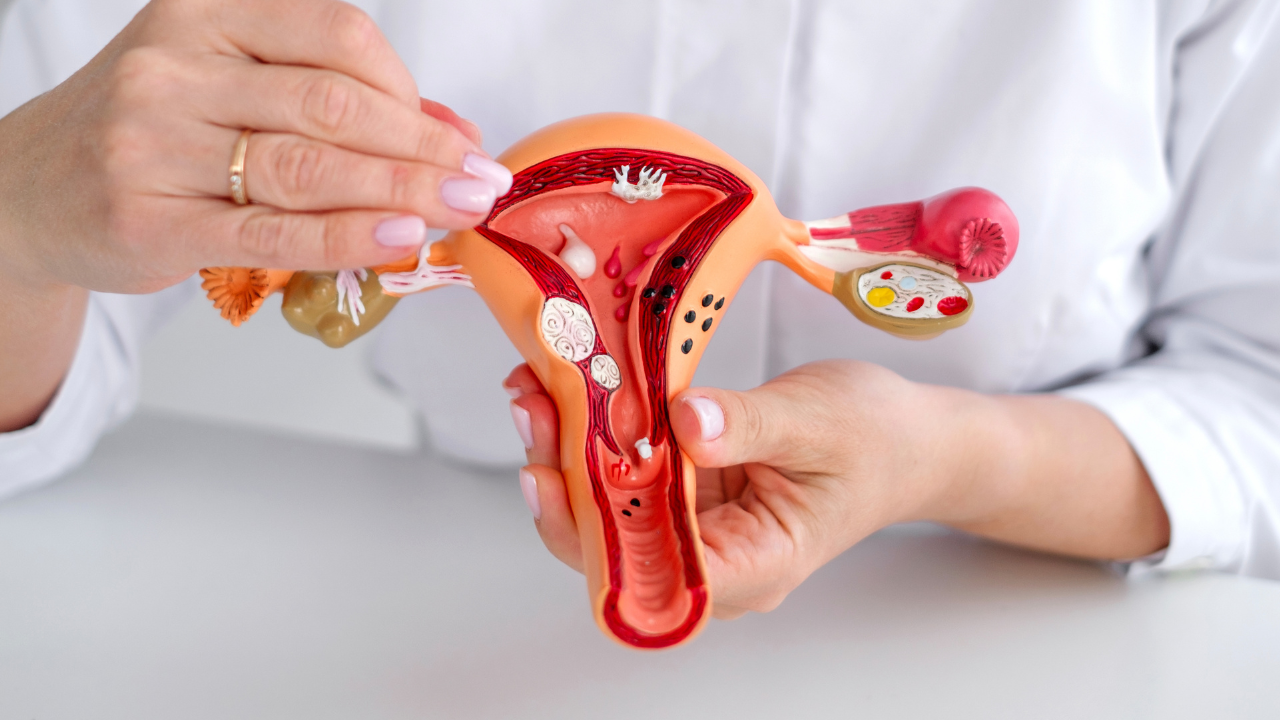

By Dr Suzan Elharmeel, fertility specialist at City Fertility Gold Coast.
Polycystic Ovary Syndrome (PCOS) is a disorder of the endocrine system that can affect a woman’s fertility. Unfortunately, it is relatively common, with an estimated 10 to 20 per cent of women of reproductive age affected by it. However, the problem is that up to 70 per cent of cases appear to be going undiagnosed. This is due to patients not exhibiting all the common symptoms, and therefore, the diagnosis being discounted too soon.
The endocrine system is a network of glands that produce and release hormones that help control many important body functions, including the body’s ability to convert food into energy that powers cells and organs. The endocrine system influences how the heart beats, how bones and tissues grow, and even your capacity to make a baby. It plays a vital role in whether or not you develop diabetes, thyroid disease, growth disorders, sexual dysfunction, and a host of other hormone-related disorders.
PCOS is a specific hormonal/enzyme imbalance in the endocrine system, causing an overproduction of androgens (testosterone) that interfere with the normal development of eggs and their release from the female ovaries. PCOS is a leading cause of subfertility.
In women with PCOS, estrogen is usually produced in normal amounts, testosterone is produced in excessive amounts, and progesterone may be produced irregularly or not at all.
It is unknown what causes hormonal imbalances.
We look at three key factors to begin with: the menstrual cycle, excessive acne, and excessive hair growth. If some or all of these symptoms are present, then we usually begin some blood tests, including a hormone profile and, in particular, androgen levels (testosterone, free androgen index). An ultrasound is also useful to look for the presence of a large ovarian volume or multiple small ovarian cysts.
PCOS can have a substantial impact on fertility because, by definition, it means that there is an abnormal progression of the ovarian follicles. Normally, during the month, the follicles go through certain hormonal cycle responses, and they reach a certain stage when there is a release of an egg through ovulation. Then, if fertilisation occurs with a sperm, you have an embryo.
With PCOS, there is abnormal follicular growth in response to the hormone cycle. There is a lack of ovulation (anovulation) and progesterone production. There is significant subfertility and there is unopposed estrogen, which not only affect fertility but also other aspects of health.
No, PCOS can lead to “subfertility” but not infertility. It is possible to conceive if we pick it up early enough and treat it. Some patience is often required. We often diagnose the worst cases of this condition when the women are younger as they come to seek help due to abnormal menstrual cycles. I believe PCOS has the best prognosis for pregnancy success out of all the “subfertility” issues.
If fertility is the main priority for a woman with PCOS, the first line of treatment, which can have a huge impact, is lifestyle, diet and exercise. A healthy lifestyle improves all of the symptoms of PCOS, including fertility. If an overweight woman loses at least 5 per cent of her weight, she can sometimes go into spontaneous ovulation on her own. Her chances of not only getting pregnant but also sustaining a healthy pregnancy with a good outcome are significantly improved. Lifestyle should never be underestimated.
The second step is ovulation induction, which can be done with clomiphene citrate (Clomid or Serophene), a tablet taken according to a specific regimen, or with a small-dose FSH injection. It depends on the clinical scenario. Up to 40 per cent of women using clomiphene will have success in ovulating, resulting in pregnancy rates comparable to those of the general population. Both ways, they need support through the process, clinically and personally.
If infertility is not the immediate concern, the combined oral contraceptive pill (OCP) can be prescribed to reduce acne and hirsutism and maintain regular menstrual periods. Most importantly, the OCP provides constant progesterone to protect the endometrium and decrease the risk of uterine cancer from the unopposed estrogen that is a common feature of PCOS.
Women with PCOS also need second-yearly Glucose Tolerance Tests (GTT) and regular metabolic screening, such as a cholesterol check.
Unfortunately, PCOS is a chronic condition (just like asthma is), and while women living with it can never completely get rid of it, they can control and minimise the effect of it on their life and health through careful management with their healthcare professionals.
Watch Dr Suzan Elharmeel’s video for further advice.
Please note: This video may not be copied or used, in whole or in part, without the prior written permission of City Fertility Centre © 2016.